Table of Contents
ToggleQuick Overview
Working with a private practice neuropsychologist offers individualized attention, tailored testing, detailed reporting, and meaningful long-term support. At Comprehensive Neuropsychology Services (CNS), we provide evaluations designed to help children, adolescents, and adults understand their cognitive strengths and challenges.
This blog explores why personalized care matters, how CNS delivers these services, and the long-term benefits for families and individuals.
1. What is a Private Practice Neuropsychologist?
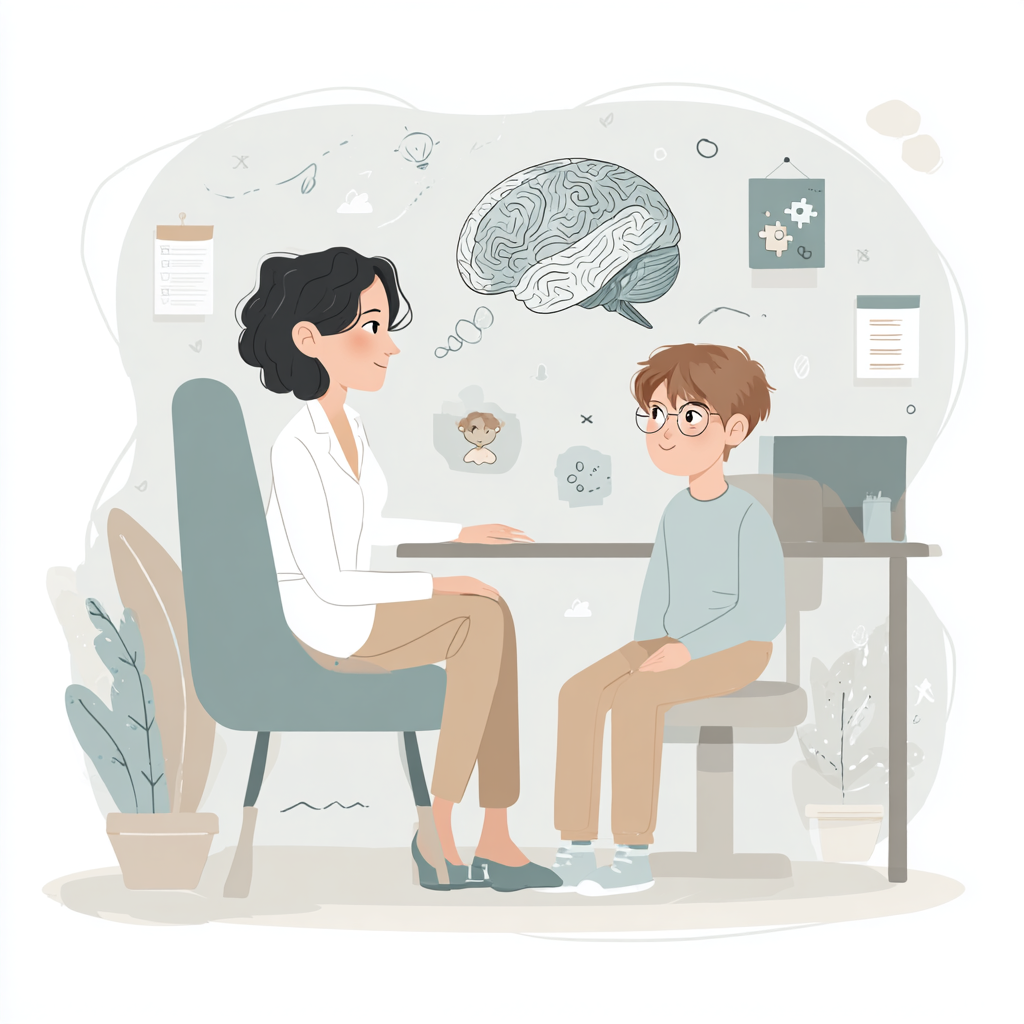
A private practice neuropsychologist is a specialist trained to understand how brain functioning affects learning, behavior, attention, memory, and emotional regulation. In a private practice, services are typically more individualized than in large hospital systems or high-volume clinics.
Clients work directly with the same neuropsychologist throughout the evaluation—from consultation to feedback—ensuring continuity, trust, and a deep understanding of their concerns.
At CNS, we conduct thorough assessments for ADHD, autism spectrum disorders, learning disabilities, concussion recovery, executive functioning challenges, and academic accommodation needs. Each evaluation is carefully planned based on the referral question and personal history.
2. Why Personalized Care Matters
Neuropsychological testing is more than administering standardized measures—it’s about interpreting results within the context of each person’s life, education, medical history, and emotional experiences.
Personalized care offers several advantages:
- Customized testing: Assessments are selected based on specific concerns rather than using a generic battery
- In-depth interviews: Developmental, academic, and medical histories are explored in detail
- Targeted recommendations: Reports focus on practical strategies rather than general suggestions
Beyond these practical benefits, personalized care creates emotional comfort. Families and adults feel heard, validated, and reassured. This time investment allows the neuropsychologist to observe patterns, clarify questions, and provide explanations in accessible language, resulting in more accurate and meaningful conclusions.
3. How Comprehensive Neuropsychology Services Stands Out
At CNS, we emphasize careful listening, detailed analysis, and collaborative feedback. Our goal is not just a diagnosis—it’s practical guidance that can be applied in everyday life.
Our evaluation process includes:
- Thorough clinical interview to understand concerns and personal history
- Individualized testing sessions tailored to the referral question
- Comprehensive written reports designed to communicate clearly with schools, workplaces, or other professionals
A key advantage of private practice is consistency. The same neuropsychologist conducts testing, interprets results, and delivers feedback, ensuring recommendations are grounded in a nuanced understanding of the client.
4. Private Practice vs. Larger Clinical Settings
| Feature | Private Practice Neuropsychologist | Larger Clinical System |
| Time spent per client | Extended, individualized | Often limited due to volume |
| Testing approach | Customized to referral concerns | Standardized packages more common |
| Communication | Direct contact with evaluator | May involve multiple providers |
| Report detail | Comprehensive, tailored | Sometimes summary-based |
Private practice allows for flexibility, incorporating additional measures if needed to clarify findings and support precise conclusions.
5. What the Evaluation Process Looks Like
Understanding the process can ease uncertainty for families and adults:
- Initial consultation: Discuss concerns, review relevant history, and plan the testing approach
- Testing sessions: Conducted over several hours or multiple days, depending on age and referral question
- Assessment areas: Intelligence, memory, attention, executive functioning, language, visual processing, and academic achievement
- Analysis & feedback: Results interpreted within the broader context of history and observations
- Written report: Summarizes strengths, challenges, and practical next steps
Feedback sessions are collaborative and unrushed, allowing families and adults to ask questions and discuss how recommendations can be implemented.
6. Long-Term Benefits for Families and Adults
The benefits of working with a private practice neuropsychologist often extend beyond the evaluation:
- Greater self-understanding: Children gain clarity about learning challenges; adults gain insight into attention or executive functioning patterns
- Improved performance: Targeted strategies, accommodations, and supports can enhance academic or workplace success
- Stronger advocacy: Detailed CNS reports can support requests for accommodations or services in educational or professional settings
Over time, personalized care fosters a sense of partnership. Clients know they can return for follow-up questions or updated evaluations as needs evolve.
7. Personalized Care Leads to Clearer Answers and Stronger Outcomes
Choosing a board-certified private practice neuropsychologist ensures focused attention, customized testing, and meaningful collaboration. CNS is committed to delivering thoughtful, detailed evaluations that help individuals and families move forward with confidence.
Take the next step: Contact Comprehensive Neuropsychology Services to schedule a consultation with a board-certified neuropsychologist and gain clarity on your cognitive and learning needs.
8. Frequently Asked Questions (FAQs)
Q1: What makes a private practice different?
Private practice allows for more individualized attention, longer appointments, and direct communication with the evaluating neuropsychologist.
Q2: Are evaluations only for children?
No. Adults experiencing attention concerns, memory changes, concussion recovery, or workplace challenges can also benefit.
Q3: Can evaluations help with standardized testing accommodations?
Yes. Detailed reports often provide the documentation required for school-based or standardized testing accommodations.
Q4: How detailed are the reports?
Reports clearly explain results, diagnoses if applicable, and provide specific recommendations tailored to the individual.
Q5: How do I begin?
The first step is scheduling a consultation to discuss concerns and determine if an evaluation is appropriate.