Every child learns, processes emotions, and experiences the world differently. When a parent notices that their child is struggling — with reading, staying focused, managing big feelings, or keeping up socially — it can be hard to know where to turn. Neuropsychological testing for children offers a clear, comprehensive path forward, uncovering the specific strengths and challenges that shape how a child learns and grows.
At Comprehensive Neuropsychology Services (CNS) in Bryn Mawr, PA, board-certified neuropsychologist Dr. Katherine Baum and her team specialize in in-depth evaluations for children, adolescents, and young adults — particularly those with developmental, medical, and neurological conditions. This guide explains what neuropsychological testing involves, who benefits, and how CNS helps families on the Main Line and across Pennsylvania find clarity and move forward with confidence.
Table of Contents
ToggleWhat Is Neuropsychological Testing for Children?
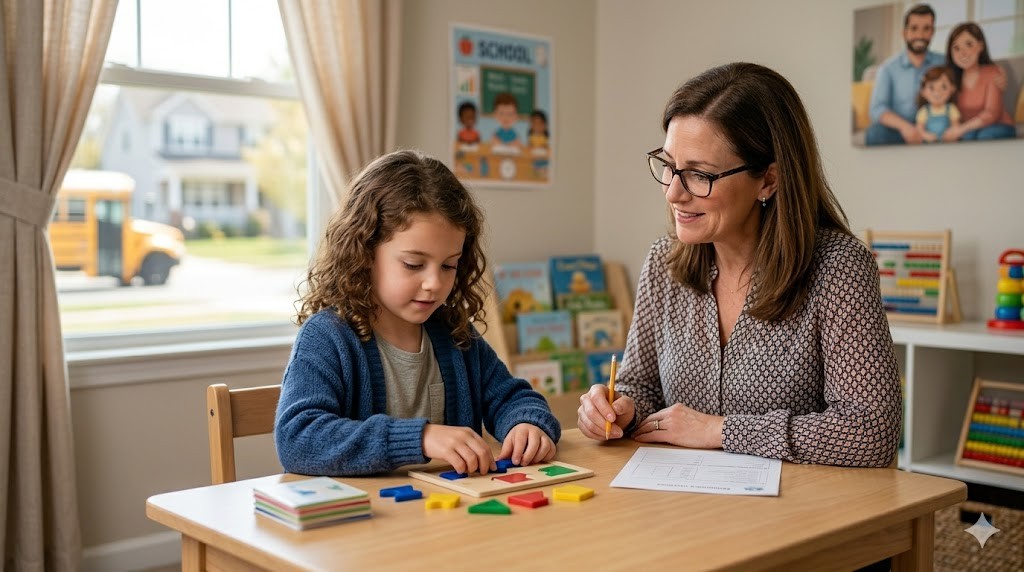
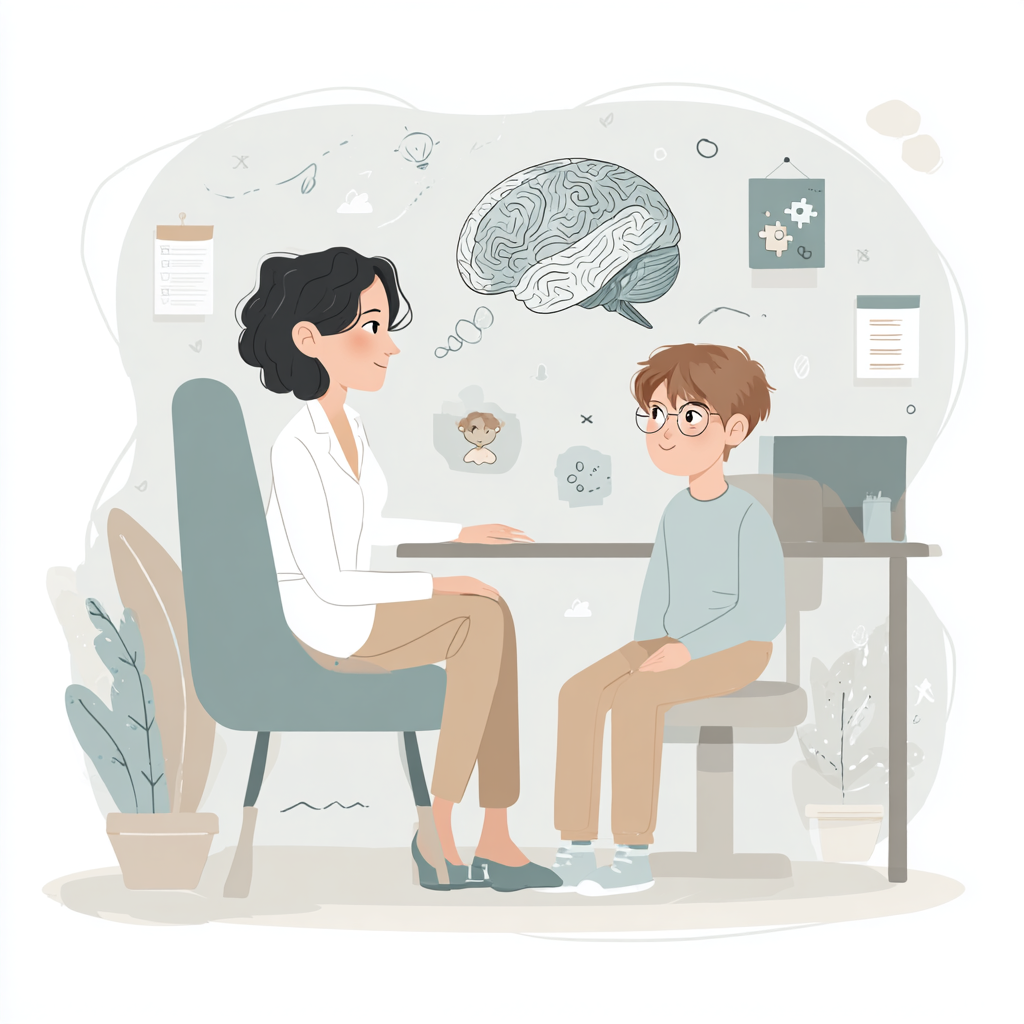
Neuropsychological testing for children is a structured evaluation process that examines how a child’s brain functions across a wide range of skills — including attention, memory, language, reasoning, academic achievement, and emotional regulation. These evaluations use standardized, age-appropriate tools administered by trained specialists.
The goal goes well beyond identifying problems. A thorough evaluation illuminates a child’s unique strengths alongside areas that need support, giving families and schools a meaningful road map for next steps. At CNS, every evaluation is designed to be readable and actionable — a report that parents can actually use.
Many families seek testing when they sense something is affecting their child’s development but aren’t sure of the cause. Neuropsychological testing provides that clarity.
Why Children May Need Neuropsychological Testing
Children struggle for many different reasons. Some challenges are temporary; others reflect deeper neurological, developmental, or learning-related patterns that benefit from early identification.
A neuropsychological evaluation may be recommended when a child experiences:
- Difficulty concentrating at school or home
- Ongoing academic struggles despite effort and support
- Problems with reading, writing, or math
- Memory or information-processing difficulties
- Emotional outbursts, behavioral changes, or mood concerns
- Social communication challenges
- Delayed developmental milestones
- Recovery following a concussion or brain injury
- Suspected ADHD, autism spectrum disorder, or dyslexia
- Poor executive functioning — planning, organization, and follow-through
Parents, pediatricians, teachers, therapists, and school counselors often work together to determine whether a formal evaluation would be helpful. CNS welcomes collaboration with your child’s existing care team throughout the process.
Common Signs Parents Should Watch For
Some children clearly express frustration with school or daily tasks. Others quietly struggle over time without showing obvious distress. Recognizing patterns early can make a meaningful difference.
| Area of Concern | Possible Signs |
| Attention | Easily distracted, incomplete assignments, frequent forgetfulness |
| Learning | Falling behind academically, trouble following instructions |
| Memory | Difficulty retaining or recalling information from lessons |
| Behavior | Impulsivity, emotional outbursts, frustration at school or home |
| Social Skills | Trouble making friends, misreading social cues |
| Language | Delayed speech or difficulty expressing thoughts clearly |
| Processing Speed | Taking noticeably longer than peers to complete tasks |
| Executive Functioning | Missing assignments, poor time management, chronic disorganization |
| Emotional Health | Anxiety, low confidence, avoidance of school or activities |
Persistent difficulties across multiple environments — both home and school — may indicate the need for a comprehensive evaluation.
What Areas Are Evaluated During Testing?
CNS evaluations typically involve 4–6 hours of testing (with breaks), depending on a child’s age and the specific concerns being addressed. The exact battery of assessments is tailored to each child.
Areas Commonly Assessed
- Intellectual functioning
- Attention and concentration
- Memory and learning
- Language and communication
- Visual and spatial reasoning
- Executive functioning (planning, organization, time management)
- Academic achievement
- Emotional and behavioral functioning
- Social development
This comprehensive approach helps Dr. Baum and her team understand how different areas of the brain work together during learning, daily tasks, and social interactions — and where targeted support will have the greatest impact.
Conditions Commonly Identified Through Testing
Neuropsychological evaluations help diagnose or clarify a wide range of conditions affecting children and adolescents. One of the most valuable aspects of a thorough evaluation is distinguishing between overlapping symptoms that can easily be misunderstood.
For example, attention difficulties might stem from ADHD, anxiety, learning challenges, or processing speed differences. Accurate evaluation helps families pursue the right support — rather than guessing.
Conditions CNS Commonly Evaluates
- ADHD (Attention Deficit Hyperactivity Disorder)
- Autism Spectrum Disorder
- Dyslexia and other learning disabilities
- Anxiety disorders
- Depression
- Developmental delays
- Traumatic brain injuries and concussion
- Executive functioning difficulties
- Memory impairments
- Sensory processing challenges
- Giftedness and advanced academic needs
The CNS Evaluation Process
Dr. Baum and her team take care to make the evaluation process as clear and comfortable as possible for both children and parents. Here is what to expect:
Step 1: Free 15-Minute Consultation
CNS offers a complimentary consultation so you can discuss your concerns, ask questions, and determine whether an evaluation is the right fit for your child.
Step 2: Initial Interview
Dr. Baum gathers detailed background information — including medical history, developmental milestones, academic performance, and current concerns — through interviews with parents and, when appropriate, the child.
Step 3: Testing Sessions
Children complete structured activities and questionnaires designed to measure cognitive and emotional abilities. Sessions are age-appropriate, engaging, and conducted with breaks. Testing is typically completed in a single day, though it can be split across two days if needed.
Step 4: Analysis and Feedback
Results are carefully reviewed to identify patterns, strengths, and areas requiring support. About 1–2 weeks after testing, families receive a detailed feedback session to walk through findings and recommendations in plain language.
Step 5: Comprehensive Written Report
A clear, thorough, and readable report is finalized within two weeks of the feedback session. This report serves as a practical road map — one you can share with your child’s school, pediatrician, therapist, or other providers.
Step 6: Ongoing Collaboration
CNS actively collaborates with families, schools, and medical teams to support implementation of recommendations. The team coordinates with teachers, therapists, and physicians to help translate evaluation findings into real-world change.
Benefits of Early Assessment
Early identification can significantly improve long-term outcomes for children experiencing cognitive, emotional, or learning difficulties.
Key Benefits Include
- Earlier access to appropriate interventions and school accommodations
- A clearer picture of your child’s unique learning style and strengths
- Reduced frustration and improved confidence at home and school
- More targeted therapy and treatment recommendations
- Better communication between parents, educators, and healthcare providers
- A written report that supports IEP or 504 planning, college accommodations, and more
Children often perform better — academically, socially, and emotionally — when the adults supporting them truly understand how they think and learn.
How Parents Can Prepare Their Child
Children may feel nervous before testing, especially if they are uncertain about what it involves. Dr. Baum even offers a special letter written directly to kids to help them feel at ease before their visit.
Parents can also help by:
- Explaining that the testing helps the team understand how their child learns best — not judge them
- Using calm, matter-of-fact language rather than building it up as a big event
- Ensuring your child gets a good night’s sleep before the evaluation
- Providing a nutritious meal or snack beforehand
- Encouraging your child to try their best without pressure or anxiety
The CNS team is experienced in working with children of a wide range of ages and needs, and sessions are designed to be as comfortable and low-pressure as possible.
School Testing vs. Private Neuropsychological Testing
Many parents wonder whether a school evaluation provides the same depth of insight as a private neuropsychological evaluation. Here’s how they compare:
| School Evaluations | CNS Private Evaluation |
| Primarily education-focused | Comprehensive cognitive, emotional & neurological analysis |
| Determines eligibility for school services | Identifies underlying causes beyond school performance |
| Conducted within school system guidelines | Individualized to your child’s specific concerns |
| Often shorter in scope | 4–6 hours of in-depth testing with breaks |
| Limited follow-through support | Detailed report + feedback session + ongoing collaboration |
Private evaluations through CNS go beyond determining eligibility for school services. They uncover the underlying neurological and learning patterns driving your child’s challenges — and provide a personalized, detailed road map that schools, physicians, and therapists can all use.
Why Families Choose Comprehensive Neuropsychology Services
Comprehensive Neuropsychology Services, PLLC is a private practice located at 940 E. Haverford Road, Suite 103 in Bryn Mawr, PA, serving families across the Main Line and greater Philadelphia area.
Led by Dr. Katherine Baum — a board-certified clinical neuropsychologist with deep expertise in developmental, medical, and neurological conditions — CNS offers:
- Board-certified expertise: Dr. Baum holds board certification in clinical neuropsychology and brings years of specialized experience with children, adolescents, and young adults.
- A full range of services: From neuropsychological and psychoeducational evaluations to ADHD and autism assessments, dyslexia testing, concussion recovery, giftedness evaluations, executive functioning coaching, and therapy.
- A strengths-based philosophy: Every evaluation focuses not just on areas of difficulty but on your child’s unique strengths, learning style, and potential.
- Clear, actionable reports: Written to be understandable and useful — not just filed away.
- Collaborative care: The CNS team works alongside families, schools, and medical providers to help recommendations happen.
- A trusted local reputation: CNS is a 2026 Main Line Parent LOVE Award Winner, recognized by families across the region.
If you have been searching for the best child therapist near me or looking for comprehensive neuropsychological testing for children on the Main Line, CNS provides the individualized, expert care your family deserves. Contact CNS at (484) 321-3958 or info@drkbaum.com to schedule your free 15-minute consultation.
Frequently Asked Questions (FAQs)
How long does neuropsychological testing for children take?
Most CNS evaluations involve 4–6 hours of testing, completed in a single day with breaks. Depending on your child’s needs, testing can also be split across two separate appointments.
At what age can a child receive neuropsychological testing?
Children can often be evaluated starting in the preschool years, depending on the concerns being assessed. CNS works with children, adolescents, and young adults.
Is neuropsychological testing only for children with learning disabilities?
No. Testing can help identify a wide range of challenges — including ADHD, autism, anxiety, depression, concussion effects, and developmental concerns — as well as giftedness and advanced academic needs.
Does neuropsychological testing diagnose ADHD?
Yes. A comprehensive evaluation can determine whether a child’s symptoms are consistent with ADHD or related to other conditions such as anxiety, processing difficulties, or learning differences — helping families pursue the most effective path forward.
Is the testing stressful for children?
CNS goes out of its way to make testing comfortable and age appropriate. Dr. Baum even writes a personal letter to kids before their evaluation to help them feel welcome and understood.
How is CNS different from a school evaluation?
School evaluations primarily determine eligibility for services. A CNS evaluation goes deeper — examining the full cognitive, emotional, and neurological picture — and produces a detailed, readable report your whole care team can use.
Does CNS offer a free consultation?
Yes. CNS offers a complimentary 15-minute consultation so you can discuss your concerns and decide whether an evaluation is the right next step for your child.