Table of Contents
ToggleQuick Overview
The shift from relaxed summer routines to structured school days can be challenging for students of all ages. Many children, teens, and young adults struggle with executive functioning skills like planning, organization, time management, and self-regulation during this period. This blog explores what executive functioning is, why it matters, and how targeted strategies and professional support can help students start the school year with confidence. We will also introduce a new executive functioning training (“coaching”) service available in Bryn Mawr this September.
Understanding Executive Functioning
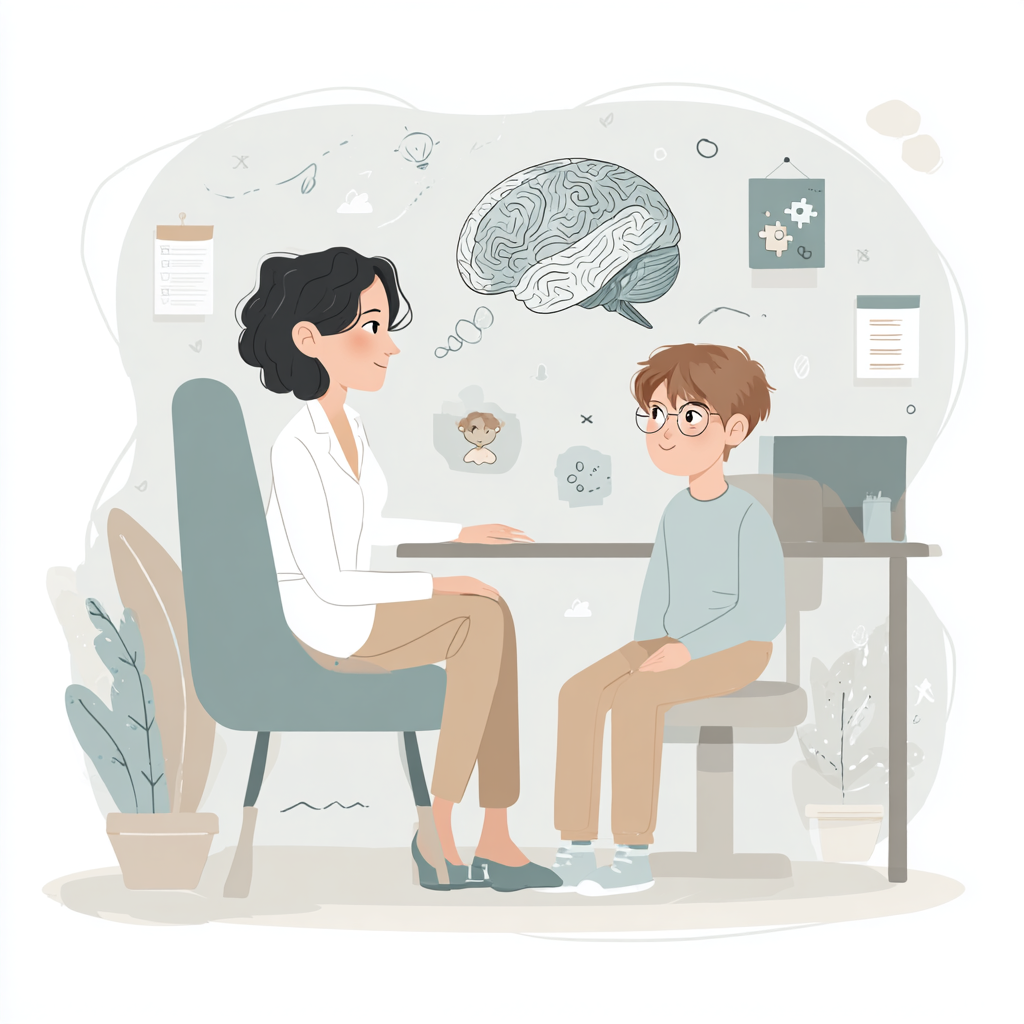
Executive functioning is a set of mental skills that help individuals manage time, focus attention, remember instructions, and juggle multiple tasks. These skills develop gradually throughout childhood and adolescence, with the prefrontal cortex playing a key role. Strong executive functioning allows students to start homework on time, break projects into steps, prioritize assignments, and adapt when unexpected changes occur.
When these skills are underdeveloped, students may struggle academically and socially, not because they lack intelligence, but because they have difficulty managing the demands placed on them. While many of us are challenged by this at times, those with neurodevelopmental differences, such as ADHD, learning disorders, autism, and mood concerns, can especially struggle, necessitating the need for targeted intervention.
Why the Summer-to-School Transition Can Be Tough
Summer often means flexible schedules, fewer obligations, and more unstructured play or downtime. While this can be restorative, it can also make it harder for students to re-adjust to the pace and expectations of school.
Some common reasons for difficulty include:
- Sleep schedule disruptions
- Reduced practice with academic routines
- Less structured daily planning
- Increased reliance on parental prompts rather than self-initiated action
- Changes in stress and anxiety associated with school demands and environment
The start of a school year can magnify these challenges, especially for students who already struggle with attention, organization, anxiety, or social difficulties.
Common Executive Functioning Challenges in Students
Not all students experience the same hurdles, but many share similar struggles, such as:
- Time management – underestimating how long tasks will take; being late
- Organization – difficulty keeping track of materials and conveying ideas in writing
- Prioritization – focusing on less important tasks first
- Impulse control – reacting quickly without considering consequences
- Task initiation – procrastinating until deadlines approach or delaying getting started
- Working memory – forgetting steps, instructions, or due dates in multi-part assignments
Recognizing these patterns early can help parents and educators provide the right support before grades or confidence are affected.
The Role of a Psychologist in Executive Functioning Support
Not all executive functioning interventions are created equal. While many individuals market themselves as “executive functioning coaches,” the background, training, and approach can vary widely. Effective support requires more than generic tips or quick-fix strategies—it needs to be grounded in a deep understanding of how executive skills develop across childhood, adolescence, and adulthood and individualized based on the individual’s specific needs and abilities.
Psychologists can bring this level of expertise. With doctoral training and years of clinical experience, those who specialize in this area can accurately assess where difficulties stem from—whether related to attention, memory, anxiety, learning differences, or other factors—and tailor strategies that address the root causes, not just the surface-level symptoms. Sometimes, a neuropsychological evaluation is also recommended to clarify a person’s cognitive, emotional, and behavioral profile and guide next steps including recommendations for educational supports, and guidance on whether formal testing for academic accommodations is needed.
At Comprehensive Neuropsychology Services, Dr. Hollie Duonnolo, provides executive functioning training and therapy for children, teens, and adults. Her approach is grounded in evidence-based practices, drawing from a strong theoretical foundation as well as practical, real-world strategies. This combination ensures that individuals not only learn skills, but also gain the insight and confidence to apply them effectively in daily life.
Introducing Executive Functioning Coaching in Bryn Mawr
Starting this September, Comprehensive Neuropsychology Services will offer one-on-one executive functioning coaching for children, teens, and young adults. This coaching is designed to:
- Build awareness of strengths and challenges
- Teach concrete tools for organization and time management
- Improve planning and prioritization skills
- Enhance study habits and reduce procrastination
- Foster self-monitoring and accountability
The coaching process is collaborative and tailored to each student’s unique needs. It complements the work done by a pediatric neuropsychologist in Bryn Mawr and can be especially effective when combined with formal assessment and recommendations.
Strategies to Boost School Readiness at Home
Parents can help smooth the transition from summer to school with consistent, small changes before the first day of class. Strategies include:
- Re-establishing routines – Set regular bedtimes and wake-up times at least two weeks before school starts.
- Creating visual schedules – Use calendars or whiteboards to map out daily tasks and weekly goals.
- Breaking tasks into steps – Teach children to divide homework or chores into smaller, manageable parts.
- Using timers or alarms – Encourage self-monitoring of time spent on tasks.
- Practice a Plan-Do-Review approach when tackling new multi-step tasks. Plan out what is needed and when it will be done, Do the intended plan, then Review to make changes.
- Encouraging reflection – Ask open-ended questions about what worked well and what could be improved in their daily routine.
Even small adjustments can reduce stress and build the habits that support academic success.
When to Seek Professional Support?
If your child continues to have difficulty staying organized, completing assignments, or managing time despite consistent home support, it may be time to consult a specialist. Signs to watch for include:
- Chronic procrastination or missed deadlines
- Frequent emotional outbursts tied to schoolwork
- Poor academic performance despite adequate effort
- Struggles with independence in managing tasks
- Avoidance of school-related responsibilities
Early intervention can help prevent these challenges from becoming long-term barriers to learning and self-esteem.
Building Habits That Support Lifelong Learning
Helping students shift from summer mode to school mode requires patience, structure, and the right tools. With professional guidance, targeted strategies, and consistent routines, children and teens can develop the executive functioning skills that will serve them for life.
Comprehensive Neuropsychology Services in Bryn Mawr offers both in-depth evaluations and personalized support to address these needs. Whether your child is starting elementary school, navigating high school, preparing for college, or navigating life as an adult, we can help them build the skills they need to thrive.
So, explore our services and learn more about how we can support your or your child’s academic journey with specialized evaluations, training, and testing for academic accommodations.